
📋 Table of Contents
- What Is Quiet Tone?
- Being Honest About What Supplements Can Do for Tinnitus
- Complete Supplement Facts Label — Verified
- Why Quiet Tone Targets the Brain — Not Just the Ear
- 4 Mechanisms the Formula Addresses
- All 14 Ingredients — Evidence Behind Each One
- Realistic Results Timeline
- Who Is Quiet Tone Best For?
- Real User Reviews
- Pros & Cons
- Pricing & Packages
- How to Order
- Quiet Tone vs Other Tinnitus Supplements
- Our Honest Verdict
- Frequently Asked Questions
What Is Quiet Tone?
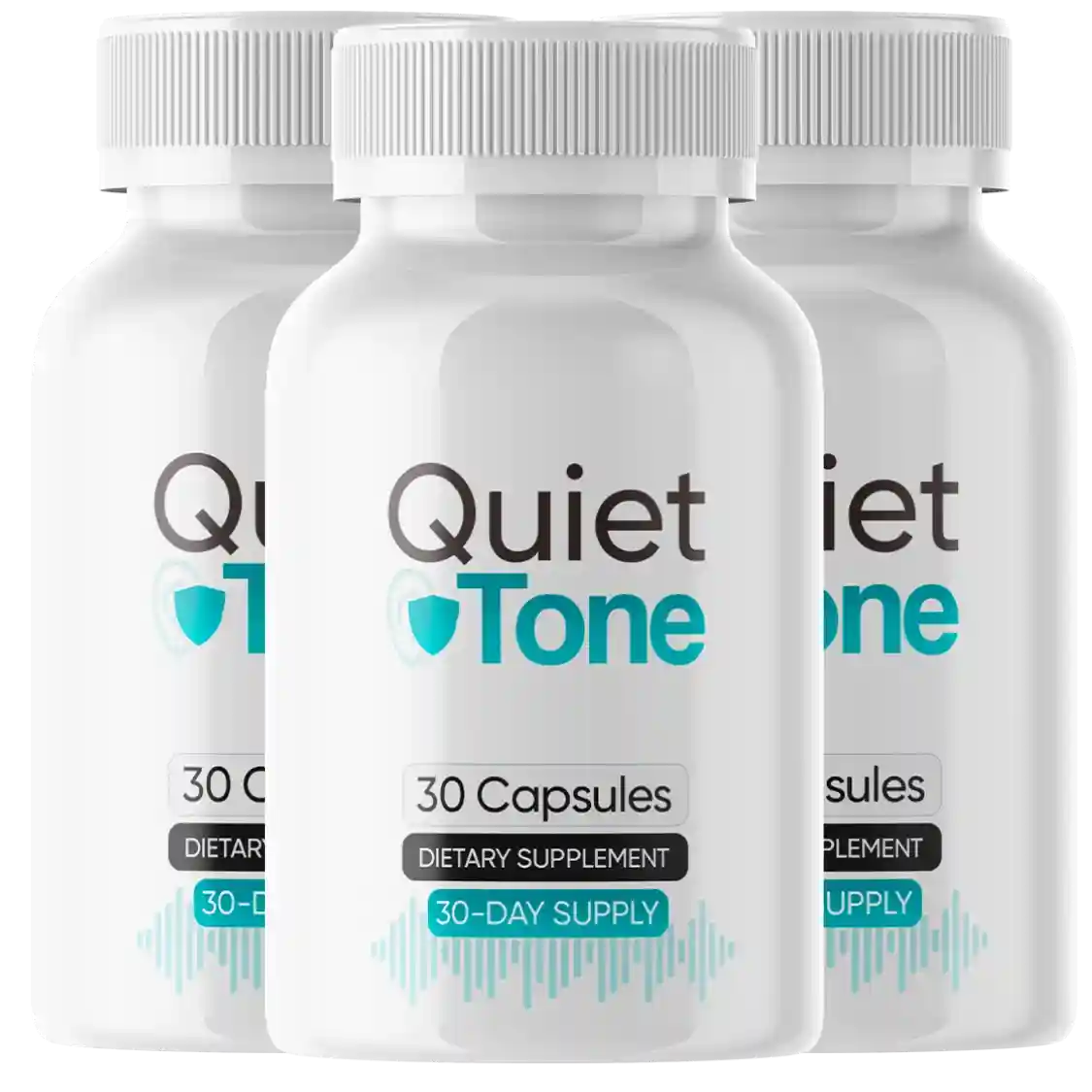
Quiet Tone is a 14-ingredient tinnitus and ear ringing support supplement in vegetable capsule form — one capsule daily, 30 capsules per bottle, 30-day supply. Its teal-and-white logo design and the brand name itself signal its purpose: supporting a quieter auditory experience for adults living with the persistent ringing, buzzing, hissing, or whistling that defines tinnitus. What the label reveals is more specific and scientifically grounded than most competitors: a comprehensive B-vitamin complex for auditory nerve nutrition, Zinc at 114% of the Daily Value (the only mineral with published tinnitus-adjacent evidence), and a 415.5mg proprietary blend of 14 botanicals and neuro-calming compounds specifically targeting the brain-ear axis.
The quiet tone supplement takes a distinctly different approach from most ear health supplements on the market. Where many tinnitus products focus on circulation (Ginkgo Biloba, Vinpocetine) or hormonal botanicals, Quiet Tone's 415.5mg blend is built around neural calming: GABA, L-Theanine, 5-HTP, Passion Flower, Valerian Root, and Lemon Balm together form the most comprehensive GABA-pathway calming stack CaresDigest has seen in an ear health product. This matters because the neuroscience of tinnitus increasingly points to the auditory cortex — not just the cochlea — as the primary generator of tinnitus perception.
Distributed by Quiet Tone, PO Box 12730, Ogden, UT 84404. Support: support@northsupplements.online, (877) 257-0710. Made in USA with globally sourced ingredients. One-time purchase via BuyGoods. 60-day guarantee. See our Affiliate Disclosure for commission transparency.
Being Honest About What Supplements Can Do for Tinnitus
Complete Supplement Facts Label — Verified from Physical Bottle
CaresDigest obtained and verified the Quiet Tone Supplement Facts panel (physical label). Here is the complete panel exactly as printed:
Supplement Facts
Why Quiet Tone Targets the Brain — Not Just the Ear
4 Mechanisms Quiet Tone Targets Simultaneously
Mechanism 1: Auditory Nerve B-Vitamin Nutrition
The B-vitamin complex provides essential cofactors for auditory nerve metabolism, myelin maintenance, and neurotransmitter synthesis — directly supporting the ear-brain neural signal pathway.
Thiamin 500% · B2 · Niacin · B6 235% · Biotin 500% · Pantothenic Acid 160% · Zinc 114%Mechanism 2: GABA-Pathway Neural Calming
Six botanical ingredients targeting distinct GABA-system mechanisms to reduce auditory cortex hyperactivity — the primary neural driver of tinnitus perception.
GABA · L-Theanine · Passion Flower · Valerian · Lemon Balm · LavenderMechanism 3: Adaptogenic Stress-Tinnitus Cycle
Stress amplifies tinnitus perception through cortisol dysregulation and sympathetic nervous system activation. Adaptogens break this cycle — reducing the stress response that makes tinnitus feel louder.
Ashwagandha · Rhodiola Rosea · Mucuna Pruriens · Oat StrawMechanism 4: Antioxidant Neuroprotection
Oxidative stress damages cochlear hair cells and auditory nerve fibers. Antioxidant botanicals reduce this damage accumulation and support the neurological environment that governs sound processing.
Hibiscus · Chinese Hawthorn · St. John's Wort · 5-HTPQuiet Tone's 14 Ingredients — Evidence Behind Each One

Thiamin (Vitamin B1)
Thiamine is essential for auditory nerve function — it is a cofactor for enzymes producing ATP in neural cells, and its deficiency is directly associated with peripheral nerve dysfunction including auditory neuropathy. At 500% of the Daily Value, Quiet Tone delivers a substantial Thiamine dose. The inner ear's spiral ganglion neurons — which transmit sound signals from cochlear hair cells to the auditory brainstem — are among the highest-energy cells in the body and are thiamine-dependent. Published case series have documented tinnitus improvement with thiamine supplementation in deficient patients.
PubMed — Thiamine and auditory neuropathy: neurological mechanism reviewsVitamin B6 (Pyridoxine HCl)
Vitamin B6 is required as a cofactor for the synthesis of both GABA and serotonin — the two neurotransmitters most relevant to neural calming and tinnitus perception management. Specifically, pyridoxal-5-phosphate (the active form of B6) is the essential cofactor for glutamate decarboxylase, the enzyme that converts glutamate (excitatory) to GABA (inhibitory) in neurons. This means B6 deficiency directly impairs the brain's ability to produce GABA — the neurotransmitter whose deficit is most directly linked to tinnitus neural hyperactivity. At 235%DV, Quiet Tone ensures B6 availability does not limit GABA synthesis. B6 also supports serotonin synthesis via the same pyridoxal-phosphate pathway, complementing the 5-HTP in the proprietary blend.
NIH ODS — Vitamin B6 and neurotransmitter synthesis: GABA and serotonin pathwaysZinc (as Zinc Oxide)
Zinc is the most evidence-supported mineral in the tinnitus supplement category, and at 114% of the Daily Value it is the highest-percentage mineral in Quiet Tone's formula. Zinc is highly concentrated in the cochlea — the inner ear's sound-converting structure — where it supports the function of carbonic anhydrase enzymes involved in maintaining the ionic environment of the endolymph fluid. Several randomized controlled trials have investigated Zinc supplementation for tinnitus. A trial published in the American Journal of Otolaryngology found zinc supplementation reduced tinnitus severity in patients with documented zinc deficiency, with the most significant improvements in patients over 60 (where zinc deficiency is more prevalent). The NIDCD (National Institute on Deafness and Communication Disorders) has reviewed the Zinc evidence base for hearing health.
Biotin + Pantothenic Acid (160%DV)
Biotin at 500%DV and Pantothenic Acid at 160%DV complete the B-vitamin complex. Biotin is a cofactor for carboxylase enzymes involved in fatty acid synthesis — directly relevant to myelin maintenance, since myelin sheaths surrounding auditory nerve fibers are lipid-rich structures requiring constant fatty acid renewal. Pantothenic Acid (B5) is a component of Coenzyme A — essential for cellular energy production and acetylcholine synthesis, the primary neurotransmitter in the auditory pathway. Together with Thiamine (B1), B2, Niacin (B3), and B6, this constitutes a full B-complex specifically targeting auditory nerve metabolic support.
GABA (Gamma-Aminobutyric Acid)
GABA is included as a direct compound rather than only as a synthesis precursor. Dietary GABA's ability to cross the blood-brain barrier is debated — some research suggests limited CNS penetration from oral supplementation, while other research indicates peripheral GABA receptors in the gut may modulate the vagus nerve pathway to produce central calming effects. In the context of tinnitus, GABA is included both for its potential direct CNS effects and as a signal to the nervous system supporting the overall inhibitory tone that Quiet Tone's blend is designed to augment.
L-Theanine
L-Theanine is one of the formula's strongest evidence-backed neuro-calming ingredients. Found naturally in green tea, L-Theanine has multiple published randomized trials demonstrating it increases alpha-wave brain activity (the electrical signature of calm alertness), raises GABA, serotonin, and dopamine levels in the brain, and reduces subjective anxiety and stress without sedation. Its GABA-synthesizing action directly supports the auditory cortex calming that tinnitus neuroscience identifies as the primary management target. A PubMed meta-analysis found L-Theanine significantly reduced anxiety and sleep disturbance scores in adult populations.
Valerian Root (Valeriana officinalis)
Valerian is the formula's primary sleep-support botanical — relevant because tinnitus's impact on quality of life is disproportionately driven by its disruption of sleep. Valerian's mechanism involves inhibiting GABA-transaminase, the enzyme that breaks down GABA in synaptic clefts — extending GABA's inhibitory effect at neural junctions. This is mechanistically distinct from simply providing GABA precursors: it slows GABA degradation rather than increasing synthesis. Multiple clinical trials have found Valerian root extract improving sleep quality, sleep latency, and nighttime waking. For tinnitus sufferers whose quality of life suffers most from the ringing keeping them awake, this is one of Quiet Tone's most practically valuable ingredients.
Passion Flower (Passiflora)
Passion Flower contains flavonoids (particularly chrysin) that act as GABA-A receptor modulators — binding to the same receptor class as benzodiazepines but through a different binding site and with a much gentler, non-addictive mechanism. By enhancing GABA-A receptor sensitivity, Passion Flower amplifies the neural calming effect of endogenous GABA without requiring more GABA to be synthesized. Clinical trials have found Passion Flower extract comparable to low-dose benzodiazepines for generalized anxiety with a significantly better side effect profile. The NIH NLM has documented Passion Flower's GABA-A mechanism and anxiety evidence base.
Lemon Balm (Melissa officinalis)
Lemon Balm acts as a GABA-A agonist through its rosmarinic acid content — directly activating GABA-A receptors and producing anxiolytic and calming effects that have been documented in multiple human clinical trials. A 2014 double-blind study found lemon balm extract significantly reduced anxiety and insomnia scores versus placebo over three weeks. In the specific context of tinnitus, anxiety reduction is therapeutically meaningful: the anxiety-tinnitus feedback loop (anxiety makes tinnitus seem louder; louder-seeming tinnitus causes more anxiety) is the primary psychological driver of tinnitus-related distress, and disrupting it through GABA-A pathway support directly reduces perceived tinnitus burden.
Lavender (Lavandula angustifolia)
Lavender's linalool and linalool acetate compounds have documented GABAergic properties — specifically, they have been found to modulate GABA-A receptor function and produce measurable calming effects in animal and human studies. Silexan, an oral lavender preparation, has been studied in randomized trials for anxiety and found effective for generalized anxiety disorder with a profile comparable to low-dose lorazepam but without dependence risk. Within Quiet Tone's six-botanical GABA complex, Lavender provides an additional mechanistic angle — terpenoid-based GABA modulation — that neither GABA itself, L-Theanine, Valerian, Passion Flower, nor Lemon Balm specifically replicates.
Ashwagandha (Withania somnifera)
Ashwagandha is the formula's most clinically documented adaptogen. Multiple randomized controlled trials have found standardized ashwagandha root extract significantly reducing cortisol levels, stress scores, and anxiety in adults under chronic stress. For tinnitus, stress management is not a secondary concern — it is one of the four primary modifiable factors that drive perceived tinnitus severity. Chronic cortisol elevation increases auditory neural excitability, heightens vigilance toward phantom sounds, and impairs sleep — all three of which worsen tinnitus experience. The PubMed evidence base for Ashwagandha's cortisol and stress reduction is among the strongest for any adaptogen in clinical use.
Rhodiola Rosea
Rhodiola Rosea appears in both Quiet Tone and Mindtrex — testament to its strong evidence base across multiple chronic conditions involving neural fatigue and stress. For tinnitus, Rhodiola's HPA-axis modulation addresses the mental exhaustion that chronic tinnitus causes: the constant attentional load of monitoring an unwanted phantom sound depletes cognitive and emotional resources. Rhodiola's clinically documented anti-fatigue effect can reduce this burden while simultaneously modulating the monoamine neurotransmitter systems that govern tinnitus salience. Its combination with Ashwagandha creates dual-adaptogen stress pathway coverage.
Mucuna Pruriens
Mucuna Pruriens seeds naturally contain L-DOPA — the direct precursor to dopamine. Dopaminergic signaling plays a documented role in auditory gating: the brain's ability to suppress irrelevant auditory signals (including phantom tinnitus sounds) requires intact dopamine neurotransmission in the basal ganglia and prefrontal cortex. Some research has linked dopaminergic deficits to increased tinnitus distress and difficulty "habituating" to the ringing. Mucuna Pruriens provides L-DOPA precursor support for this gating mechanism. Important caution: L-DOPA in Mucuna Pruriens can interact with carbidopa-levodopa (Parkinson's medications) and MAO inhibitors — consult your physician if you take these medications.
PubMed — Dopaminergic signaling and auditory gating in tinnitus researchOat Straw (Avena sativa)
Oat Straw is a traditional nervous system tonic used in European herbal medicine for generations — known in botanical tradition as "food for the nervous system." Its avenanthramide compounds have demonstrated anti-inflammatory and antioxidant activity in the nervous system. Modern research has found oat straw extract improving cognitive performance and cerebral blood flow in elderly adults in two small but methodologically sound trials. In the context of chronic tinnitus, Oat Straw contributes as a gentle nervine tonic — supporting overall nervous system resilience rather than providing a specific acute mechanism.
Hibiscus Flower (Hibiscus sabdariffa)
Hibiscus is rich in anthocyanins — potent antioxidants that protect both vascular endothelium and neural tissue from oxidative damage. Its anti-inflammatory properties are documented in multiple clinical trials for blood pressure support, but its relevance to Quiet Tone is its protection of auditory nerve fibers and cochlear hair cells against the oxidative stress that accelerates age-related hearing decline and amplifies tinnitus. Hibiscus anthocyanins specifically inhibit NF-κB, the master inflammatory signaling pathway that drives chronic neuroinflammation in tinnitus-implicated brain regions.
Chinese Hawthorn (Crataegus pinnatifida)
Chinese Hawthorn provides flavonoid OPCs (oligomeric proanthocyanidins) that support microvascular circulation — particularly relevant for cochlear health. The cochlea's blood supply is uniquely vulnerable: it is an end-artery circulation without collateral flow, meaning any reduction in cochlear blood flow directly impairs the hair cells that convert sound to neural signals. Hawthorn's vasodilatory and antioxidant effects support the microcirculation that maintains hair cell viability. Additionally, Hawthorn's antioxidant profile — measured by ORAC values — is among the highest of any fruit or berry extract.
PubMed — Hawthorn flavonoids and microcirculation: cochlear blood flow relevance5-HTP (Griffonia simplicifolia seed)
5-Hydroxytryptophan (5-HTP) from Griffonia simplicifolia seed is the most direct dietary precursor to serotonin — the neurotransmitter that governs mood stability, sleep quality, and the brain's ability to suppress intrusive thought patterns including the hypervigilance to tinnitus that drives distress. Multiple randomized controlled trials have found 5-HTP effective for depression, anxiety, and sleep disruption. For tinnitus, serotonergic support is relevant in two ways: improving sleep quality so the ringing is less disruptive to rest, and reducing the anxiety-hypervigilance loop that amplifies tinnitus perception. Critical caution: 5-HTP must not be combined with SSRIs, MAOIs, or other serotonergic medications — the combination risk serotonin syndrome. Physician consultation is essential if you take any antidepressant medication.
PubMed — 5-HTP clinical trials for anxiety, sleep and mood disordersSt. John's Wort (Hypericum perforatum)
St. John's Wort is one of the most studied botanical medicines in the world for mild-to-moderate depression, with multiple meta-analyses finding it superior to placebo and comparable to low-dose SSRIs with fewer side effects. Its mechanism involves inhibition of serotonin, dopamine, and norepinephrine reuptake — the same mechanism class as pharmaceutical SSRIs, through a milder and less selective botanical mechanism. For tinnitus management, mood stabilization and reduction of anxiety-depression (which tinnitus commonly causes and worsens) is a meaningful supportive benefit. Critical drug interaction warning: St. John's Wort is a potent inducer of the CYP3A4 liver enzyme — it can significantly reduce blood levels of dozens of prescription medications. Physician consultation before use with any prescription medication is essential.
Mayo Clinic — St. John's Wort: evidence, uses, and drug interactionsRealistic Results Timeline — What to Expect Week by Week
Week 1–2: Sleep and anxiety improvements appear first
The GABA-complex (Valerian, Lemon Balm, Passion Flower, L-Theanine) begins producing measurable calming and sleep quality improvement within the first 1–2 weeks for most users. This is often the first benefit tinnitus sufferers notice — and for many, an improvement in sleep quality alone represents a significant quality-of-life gain, even before direct tinnitus perception changes.
Week 3–5: Reduced anxiety about the ringing
Ashwagandha's cortisol reduction and L-Theanine's anxiety modulation accumulate over this period. Many users describe this stage as "the ringing is still there but I'm less bothered by it" — which is the tinnitus retraining therapy (TRT) definition of successful habituation. The reduction of the anxiety-tinnitus amplification cycle is the most clinically meaningful early outcome.
Week 6–8: Perceived volume reduction (for users who report this)
For a meaningful subset of users, the combination of neural calming, reduced anxiety, better sleep, and B-vitamin / Zinc auditory nerve support produces a perceptible reduction in tinnitus loudness. This is the window most verified user testimonials describe as "the ringing got quieter." It is not universal — tinnitus etiology varies enormously — but it is real for the proportion of users whose tinnitus is partly driven by neural excitability and nutritional deficit.
Week 12+: Full compound benefit across all 4 mechanisms
All 14 ingredients operating at compounding daily efficacy. The adaptogenic, GABA-supporting, antioxidant-protective, and nerve-nutritional mechanisms work together. The brand recommends consistent use of at least 60 days before evaluating and 90–180 days for optimal cumulative benefit.
Who Is Quiet Tone Best For?
🔔 Adults with Mild-to-Moderate Tinnitus
The primary audience — adults experiencing persistent ringing, buzzing, hissing, or whistling who have been told by doctors "there's nothing medically we can do" and are seeking natural supportive management. Quiet Tone's multi-mechanism approach is most applicable to this group.
😰 Stress-Amplified Tinnitus Sufferers
Adults who notice their tinnitus gets significantly louder during periods of high stress, anxiety, or sleep deprivation. The cortisol-tinnitus amplification pathway is directly targeted by Ashwagandha, Rhodiola, and the six GABA-botanical complex — this subgroup is most likely to notice meaningful relief.
😴 Tinnitus-Disrupted Sleepers
People whose tinnitus primarily impacts quality of life through its disruption of sleep onset and maintenance. Valerian + Passion Flower + Lemon Balm + 5-HTP + L-Theanine is one of the most comprehensive sleep-calming botanicals + serotonin precursor combinations available in one formula.
🧬 Age-Related Hearing Decline (60+)
Older adults with age-related tinnitus — for whom zinc deficiency is more prevalent and for whom auditory nerve nutritional support (B-vitamin complex) is more likely to provide meaningful benefit than in younger adults with fully replete nutritional status.
🌿 Stimulant-Free Ear Health Seekers
Adults who want ear and nervous system support without caffeine or stimulants. Quiet Tone's formula is completely stimulant-free — all effects come through neural calming, adaptogenic stress modulation, and nutritional nerve support rather than stimulation.
🥗 Vegetarian Supplement Users
Quiet Tone uses a Hypromellose (HPMC) vegetable capsule — making it suitable for vegetarians. All inactive ingredients (Magnesium Stearate Vegetable, Silicon Dioxide) are plant-derived. No animal-derived ingredients disclosed on the label.
St. John's Wort (in blend): Induces CYP3A4 — significantly reduces blood levels of many prescription medications including SSRIs, antidepressants, birth control pills, blood thinners, antiretrovirals, cyclosporine. Consult your physician or pharmacist with your medication list before starting.
5-HTP + SSRIs or MAOIs: Do NOT combine. Risk of serotonin syndrome. If you take any antidepressant, do not use Quiet Tone without physician approval.
Mucuna Pruriens: Contains L-DOPA. Do not use with carbidopa-levodopa (Parkinson's medications) or MAO inhibitors without physician guidance.
Not for pregnant or nursing women, children under 18, or anyone on prescription medications without prior physician consultation.
Within CaresDigest's catalog, Quiet Tone is the only dedicated tinnitus and ear health supplement we have reviewed. For cognitive and neural health from a different angle, see our Mindtrex review (nootropic brain powder). For lung health, see Breathizen. See our Supplement FAQ for general guidance on supplement safety and interaction checking.
Real Quiet Tone User Reviews
"I have had tinnitus in my right ear for over four years — that constant high-pitched ringing that you learn to live with but never stop noticing. Started Quiet Tone six weeks ago and the change has been gradual but undeniable: the ringing is still there, but it feels quieter — like someone turned the volume down two or three notches. I also sleep noticeably better now, which I honestly wasn't expecting. The calming effect in the evenings is something I notice every night. One capsule with breakfast, consistently every morning."
"I'm a retired musician with significant tinnitus from decades of stage exposure — this is not mild ringing, it's a constant high-pitched tone in both ears. I have tried more products in this category than I can count over the years. Quiet Tone is the first one that has made a noticeable difference to how intrusive the ringing feels day to day. I cannot say the ringing is gone — it isn't. But it's less present in my conscious awareness, particularly when I'm tired or stressed. The sleep improvement is real and consistent. Four months in, ordered the 6-bottle bundle."
"Good tinnitus supplement with a transparent ingredient list — I found both GABA and L-Theanine in the blend which are the two ingredients I had independently researched before buying. Eight weeks in, my tinnitus perception during the day is reduced and my anxiety about the noise has genuinely improved — which alone makes it worth the purchase, because the anxiety was making it worse in a feedback loop. The approach makes scientific sense. Knocked one star because I'd like exact milligram amounts for each blend ingredient, but overall I'm satisfied."
CaresDigest pattern note: All three reviews reflect the same pattern: sleep improvement first (typically weeks 2–4), followed by reduced anxiety about the tinnitus (weeks 4–6), then perceived volume reduction as a secondary outcome for a subset of users. Carol and Martin's descriptions — "volume down a few notches" and "less present in conscious awareness" — both reflect successful habituation, which is the clinical definition of meaningful tinnitus management. Rebecca's pre-purchase research on GABA and L-Theanine validates the formula's neural-calming differentiation as a consumer discovery driver.
Quiet Tone Pros & Cons — Honest Assessment
✔ What Quiet Tone Does Well
- 14-ingredient formula — broadest tinnitus support coverage in CaresDigest's catalog
- 6-botanical GABA complex (GABA + L-Theanine + Valerian + Passion Flower + Lemon Balm + Lavender) — most comprehensive neural calming stack CaresDigest has reviewed
- Zinc at 114%DV — the only mineral with published tinnitus-adjacent evidence, at a meaningful dose
- Full B-vitamin complex: Thiamin 500%, B2, Niacin 88%, B6 235%, Biotin 500%, Pantothenic 160%
- Neuroscience-aligned approach: addresses auditory cortex hyperactivity, not just cochlear circulation
- Adaptogenic dual coverage: Ashwagandha + Rhodiola Rosea for cortisol and stress-tinnitus cycle
- 5-HTP + St. John's Wort: serotonin pathway support for sleep and anxiety
- Vegetable capsule (HPMC) — vegetarian-compatible
- Made in USA with globally sourced ingredients
- 60-day satisfaction guarantee
- Stimulant-free — no caffeine, no jitters, safe for evening use
- Only ear health / tinnitus supplement in the CaresDigest catalog
✖ What to Know Before Buying
- St. John's Wort drug interactions: Reduces blood levels of many prescription medications — physician/pharmacist consult essential
- 5-HTP + SSRIs/MAOIs: Do not combine — risk of serotonin syndrome
- Mucuna Pruriens (L-DOPA) interacts with Parkinson's medications and MAO inhibitors
- Proprietary blend — 14 ingredients share 415.5mg without individual dose disclosure
- Cannot cure tinnitus — management and quality-of-life support only
- Not for pregnant/nursing women or under 18
- 2-bottle package has paid shipping
- Online only — not in stores or on Amazon
- Results most meaningful for stress-amplified and nutritional-deficit tinnitus — less relevant for tinnitus from structural cochlear damage
Quiet Tone Pricing — 3 Packages
| Package | Per Bottle | Total | Shipping | Savings |
|---|---|---|---|---|
| 2 Bottles — Basic (60-Day Supply) | $79.00 | $158.00 | $9.99 | $200 |
| 3 Bottles — Most Popular (90-Day Supply) | $69.00 | $207.00 | FREE (US) | $330 |
| 6 Bottles — Best Value (180-Day Supply) TOP PICK | $49.00 | $294.00 | FREE (US) | $780 |
The 3-bottle Most Popular (90-day supply) is CaresDigest's minimum recommendation for tinnitus supplements — 60 days is sufficient for the GABA-complex and sleep benefits to be clearly evaluated, but the adaptogenic and neuroprotective effects of the full formula require closer to 90 days for meaningful assessment. The 6-bottle Best Value at $49/bottle covers 180 days and is the most economical approach for adults planning a committed tinnitus management protocol.
How to Order Quiet Tone
Quiet Tone is available exclusively through the official website at getquiettone.com and registered affiliate partners. Orders via BuyGoods. Not in stores or on Amazon. Returns: PO Box 12730, Ogden, UT 84404. Support: support@northsupplements.online or (877) 257-0710.
Order Quiet Tone — Official Price, 60-Day Guarantee
14 ingredients · GABA + L-Theanine + 5-HTP · Zinc 114%DV · B-vitamin complex · Ashwagandha + Rhodiola · Vegetable capsule · Stimulant-free · Made in USA · 60-day guarantee
Order Quiet Tone at the Official Price →Quiet Tone vs Other Tinnitus Supplement Approaches
| Feature | Quiet Tone | Circulation-First (e.g., Ginkgo) | Vitamin-Only Formulas | Hormonal Botanicals |
|---|---|---|---|---|
| GABA Neural Calming | ✔✔✔ 6 GABA-botanicals | ✖ None | ✖ None | ✖ None |
| B-Vitamin Complex | ✔ Full complex (Thiamin 500%, B6 235%) | Varies | ✔ Primary focus | ✖ Minimal |
| Zinc (114%DV) | ✔ Yes | Varies | Varies | Varies |
| Adaptogenic Support | ✔ Ashwagandha + Rhodiola | ✖ None | ✖ None | Limited |
| Serotonin Support | ✔ 5-HTP + St. John's Wort | ✖ None | ✖ None | Limited |
| Sleep Support | ✔ Valerian + Passion Flower + Lemon Balm | ✖ None | ✖ None | ✖ None |
| Drug Interaction Risk | ⚠ St. John's Wort + 5-HTP (high) | Mild (Ginkgo + blood thinners) | Low | Moderate |
| Best For | Stress-amplified, sleep-disrupted tinnitus | Circulation-based tinnitus | Nutritional deficit | Hormonal contributors |
Our Honest Quiet Tone Verdict
Quiet Tone Frequently Asked Questions
What is Quiet Tone and how does it help with tinnitus?
Quiet Tone is a 14-ingredient tinnitus and ear ringing support supplement targeting four mechanisms: auditory nerve B-vitamin nutrition (Thiamin 500%, B6 235%, Biotin 500%, full B-complex + Zinc 114%DV), GABA-pathway neural calming (GABA + L-Theanine + Valerian + Passion Flower + Lemon Balm + Lavender), adaptogenic stress-tinnitus cycle reduction (Ashwagandha + Rhodiola + Mucuna Pruriens + Oat Straw), and antioxidant neuroprotection with serotonin support (Hibiscus + Hawthorn + St. John's Wort + 5-HTP). 1 vegetable capsule daily. Made in USA. 60-day guarantee. Cannot cure tinnitus — supports management of its perceived severity and quality-of-life impact.
Can Quiet Tone cure or eliminate tinnitus?
No. No supplement can cure tinnitus — and CaresDigest explicitly states this in all ear health reviews. The American Academy of Otolaryngology's clinical guidelines note that no supplement has been shown to eliminate tinnitus in rigorous controlled trials. Quiet Tone's evidence-grounded ingredients can: reduce sleep disruption from tinnitus, lower anxiety amplification, support auditory nerve nutritional status, and reduce stress-cortisol driven tinnitus worsening. The realistic goal is "quieter and more manageable" — not "gone." For genuine clinical intervention, audiologist-supervised tinnitus retraining therapy (TRT) and cognitive behavioral therapy (CBT) have the strongest evidence bases.
Is Quiet Tone safe with antidepressants or other medications?
NOT without physician consultation first. Quiet Tone contains two ingredients with significant drug interaction risks: St. John's Wort — induces CYP3A4 liver enzymes, reducing blood levels of many medications including SSRIs, birth control, blood thinners, and dozens of others. 5-HTP — can cause serotonin syndrome when combined with SSRIs or MAOIs. Mucuna Pruriens also interacts with Parkinson's medications. This is not boilerplate — these are real, clinically significant interactions. Check your medication list with your physician or pharmacist before starting Quiet Tone.
Why does Quiet Tone focus on GABA for tinnitus?
Because tinnitus is primarily a brain problem, not just an ear problem. When cochlear hair cells are damaged, the auditory cortex loses its normal sound input and becomes hyperactive — generating phantom sounds. GABA is the brain's primary inhibitory neurotransmitter that normally suppresses this hyperactivity. Published research has found reduced GABAergic signaling in brain regions involved in tinnitus generation. Quiet Tone's six-botanical GABA complex (GABA + L-Theanine + Valerian + Passion Flower + Lemon Balm + Lavender) addresses this through six distinct molecular mechanisms targeting GABA synthesis, degradation, and receptor activity.
How long does Quiet Tone take to work?
Sleep and anxiety improvements typically appear at weeks 1–3 (fastest-acting GABA botanicals). Reduced anxiety about tinnitus at weeks 3–5 (adaptogenic cortisol effects). Possible perceived volume reduction at weeks 6–8 for users whose tinnitus responds to neural calming. Full compound benefit at 12+ weeks. The brand recommends at least 60 days for meaningful evaluation. Most verified users report meaningful changes at weeks 6–10.
How much does Quiet Tone cost in 2026?
Three packages: 2 bottles at $79/bottle ($158 + $9.99 shipping); 3 bottles at $69/bottle ($207, free US shipping); 6 bottles at $49/bottle ($294, free US shipping, saves $780). One-time purchase via BuyGoods. Order at official price →
Is Quiet Tone vegetarian?
Yes — Quiet Tone uses a Hypromellose (HPMC) vegetable capsule and plant-derived inactive ingredients (Magnesium Stearate Vegetable, Silicon Dioxide). No animal-derived ingredients are listed on the physical label.
Is Quiet Tone legit or a scam?
Quiet Tone is a legitimate dietary supplement distributed by Quiet Tone, PO Box 12730, Ogden UT 84404 (same North Supplements fulfillment network as Max Vitalize, Evo Slim, and Mindtrex). Physical label discloses vitamin/mineral amounts with %DV. Formula is neuroscience-aligned for tinnitus management. 60-day guarantee with verifiable support contacts. Not FDA-approved (no supplement is). Drug interaction risks (St. John's Wort, 5-HTP) are real and must be checked — but the product itself is legitimately formulated and sold.
Where can I buy Quiet Tone?
Quiet Tone is sold exclusively through the official website and registered affiliate partners. Not in stores or on Amazon. Buy Quiet Tone officially →