
Supplement Labels Decoded: What to Check Before You Buy (2026)
The supplement industry generates over $177 billion annually — and much of it trades on consumer confusion. Flashy packaging, vague claims, and cleverly worded labels make it genuinely difficult to distinguish a high-quality formula from an overpriced placebo. According to the NIH Office of Dietary Supplements, Americans spend approximately $35 billion on dietary supplements each year, yet most buyers cannot identify whether what they're purchasing contains effective doses of anything at all.
This guide changes that. By the time you finish reading, you'll know exactly what to look for — and what to avoid — on any supplement label.
1. Serving Size and Servings Per Container
The very first number on any supplement label — the serving size — is where many manufacturers play their first trick. A bottle advertised as "60 servings" may require two capsules per serving, meaning you're actually getting a 30-day supply for the price of a 60-day supply.
The FDA's guidance on supplement labeling requires serving size to be clearly stated, but it doesn't prevent manufacturers from setting artificially small serving sizes to make per-serving costs appear lower.
- Always check: total capsules ÷ capsules per serving = actual days supply
- Compare products on a per-serving cost basis, not per-bottle cost
- Note whether the "effective dose" in clinical studies matches the labeled serving size
2. The Supplement Facts Panel
Directly below the serving size is the Supplement Facts panel — the most information-dense section of any label. Each ingredient should list its exact amount per serving alongside its % Daily Value (DV) if one exists.
This is where research on supplement efficacy becomes directly relevant. For an ingredient to produce a measurable effect, it must be present at or near the dose used in clinical trials. If a label lists "500mg Ashwagandha" but the studies supporting ashwagandha for stress use KSM-66® at 300-600mg, you need both the form and the dose to match.
3. Proprietary Blends — The Transparency Problem
A proprietary blend lists multiple ingredients grouped under a single marketing name with only a combined total weight — individual ingredient doses are hidden. The ConsumerLab analysis of proprietary blends found that many contain sub-therapeutic doses of key active ingredients padded with inexpensive fillers to inflate the total weight.
- Prefer fully transparent labels that list every ingredient dose separately
- If a proprietary blend is present, research the minimum effective dose for each listed ingredient
- Be skeptical of blends where the total weight is smaller than the known effective dose of a single key ingredient
- Brands with nothing to hide have nothing to hide — transparency is a quality signal
4. Ingredient Forms and Bioavailability
Not all forms of the same ingredient are created equal. Bioavailability — how much of an ingredient actually reaches your bloodstream — varies dramatically by form. Mayo Clinic's supplement guidance notes that magnesium glycinate, for example, has significantly higher absorption than the cheaper magnesium oxide form found in low-cost supplements.
- Minerals: Look for chelated forms (glycinate, bisglycinate, citrate) over oxides or sulfates
- Curcumin: Standard curcumin has ~1% bioavailability; look for Meriva®, BCM-95®, or LongVida® forms
- Ashwagandha: KSM-66® and Sensoril® are clinically validated; generic "ashwagandha extract" is not standardized
- BioPerine®: 5-20mg of piperine (black pepper extract) can increase absorption of other ingredients by up to 20x
- CoQ10: Ubiquinol form is 4-8x more bioavailable than standard ubiquinone for adults over 40
5. Third-Party Testing Certifications
FDA regulations allow supplements to be sold without pre-market approval, which means manufacturers are largely self-policing on quality. Third-party testing bridges this gap by having an independent laboratory verify the product's identity, potency, and purity.
According to NSF International, third-party certification is the gold standard for supplement quality assurance. Here's what each certification means:
- NSF Certified for Sport® — verified free of 270+ banned substances, confirms label accuracy
- USP Verified® — confirms ingredients, potency, and manufacturing quality meet USP standards
- Informed Sport® — batch-tested for banned substances, popular for athletes
- ConsumerLab Approved® — independent testing of label accuracy and contamination
6. Red Flags — What to Avoid
After reviewing hundreds of supplement labels, our team has identified consistent patterns in lower-quality products. The presence of any of these on a label warrants caution:
- ❌ Proprietary blends with no individual dose disclosure
- ❌ Mega-dose vitamins at 1,000%+ DV with no clinical justification
- ❌ Unverifiable claims like "guaranteed weight loss" or "instant results"
- ❌ No manufacturer contact info or US address on the label
- ❌ Artificial colors and fillers — titanium dioxide, FD&C dyes, talc
- ❌ No expiration date — required by reputable manufacturers
- ❌ Prices dramatically below market — often signal inferior ingredient forms or underdosing
Applying This to Real Products
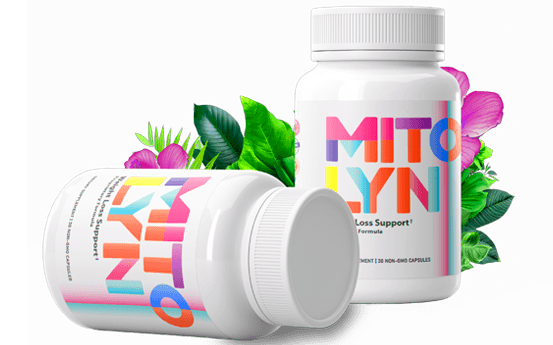
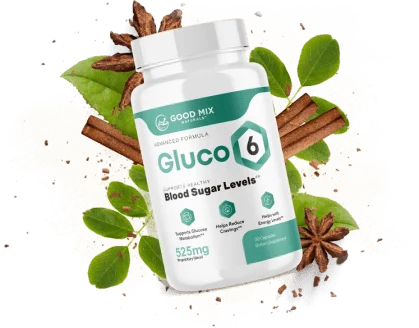
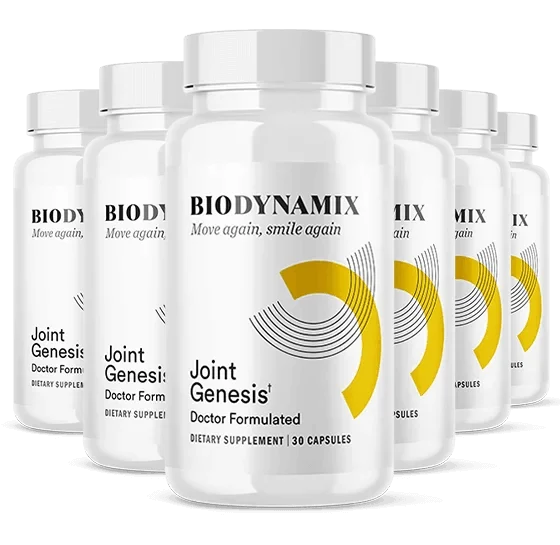
Now that you know what to look for, let's see how top-rated CaresDigest products perform against these criteria. The best supplements in our directory — ProDentim, Mitolyn, Joint Genesis, and Gluco6 — all share common label characteristics: full ingredient disclosure, patented bioenhanced ingredient forms, and manufacturers who provide certificates of analysis on request.
The Bottom Line
Reading supplement labels is a learnable skill that will save you money and protect your health. The single most important principle: if a manufacturer isn't willing to tell you exactly what's in their product and at what dose, that opacity is the answer. Transparency is the baseline of any supplement worth your trust.
The good news is that ingredient quality in the supplement industry is improving. More brands are adopting full label transparency, patented ingredient forms, and independent testing. The tools in this guide help you identify them quickly — before spending a dollar.
Disclaimer: This article is for educational purposes only. Statements have not been evaluated by the FDA. Products mentioned are not intended to diagnose, treat, cure, or prevent any disease. Always consult a qualified healthcare professional before starting any supplement regimen.